

In a world where kale smoothies and yoga pants reign supreme, women’s fitness has become more than just a trend; it’s a lifestyle. Forget the days of boring workouts and uninspiring routines. Today’s fitness scene is all about empowerment, camaraderie, and maybe a little bit of sweat (or a lot, depending on how much you love burpees).
Overview of Women’s Fitness
Women’s fitness has evolved into a multifaceted discipline emphasizing strength, flexibility, and overall health. Engaging workouts now prioritize empowerment and community support, reflecting societal shifts toward holistic well-being. Popular activities include yoga, pilates, dance, and strength training, catering to diverse interests.
Research indicates that regular physical activity improves not only physical health but also mental well-being. Studies show women who actively participate in fitness programs report higher levels of self-esteem and lower levels of anxiety. Group classes, which foster a sense of belonging, also enhance motivation.
Nutrition plays a crucial role in women’s fitness journeys. Balanced diets, rich in whole foods and essential nutrients, support energy levels and recovery. Hydration remains vital, as it helps maintain performance during workouts.
Accessible resources, such as online classes and fitness apps, aid women in reaching their goals. Flexible schedules accommodate various lifestyles, ensuring that everyone can find a suitable approach to fitness. Women supporting women through social media groups and local clubs further enhances motivation and accountability.
Women’s fitness is not solely about aesthetics; it celebrates strength in all forms. Embracing individuality allows women to define their fitness journeys away from societal pressures. This evolving landscape continues to inspire women to experiment and discover what works best for their bodies and lifestyles.
Importance of Fitness for Women
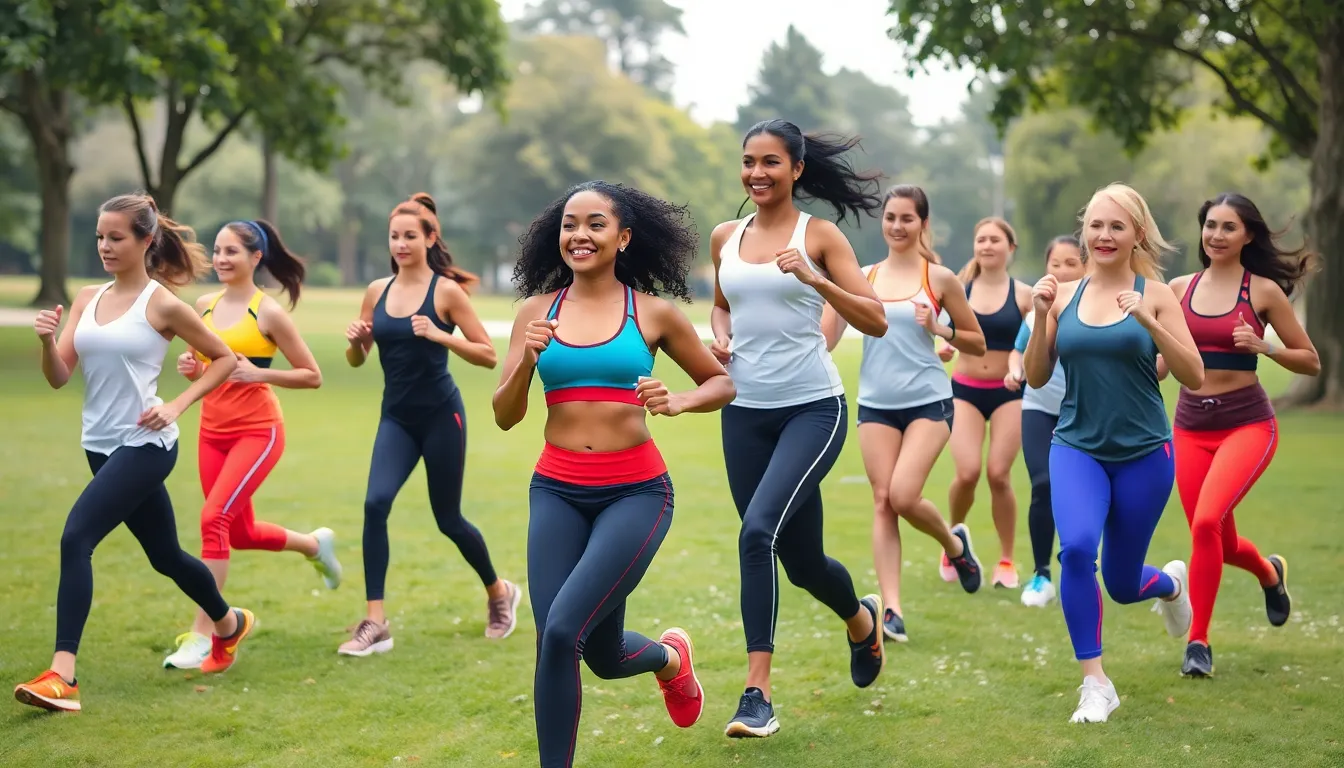
Fitness plays a crucial role in enhancing women’s overall well-being. Engaging in regular physical activity leads to numerous benefits that impact various aspects of life.
Physical Health Benefits
Engaging in fitness activities improves cardiovascular health and strengthens muscles. Regular exercise lowers the risk of chronic conditions like obesity, diabetes, and heart disease. Strength training boosts bone density, reducing the chance of osteoporosis. Women’s participation in fitness increases energy levels, enabling them to tackle daily tasks more effectively. Activities like yoga and pilates enhance flexibility and balance, contributing to better overall mobility. Research shows that consistent physical activity promotes a healthier weight and improves immune function.
Mental Health Benefits
Women’s fitness significantly impacts mental well-being. Regular exercise releases endorphins, which elevate mood and reduce stress. Higher participation in fitness programs correlates with lower anxiety and depression levels. Joining group classes fosters social connections, creating a support system that enhances motivation. Consistency in physical activity encourages self-discipline, cultivating confidence and self-esteem. Moreover, mindfulness practices within fitness routines improve focus and cognitive function. Prioritizing mental health through fitness allows women to navigate challenges more effectively and embrace a positive mindset.
Types of Fitness Programs for Women
Women’s fitness programs encompass various types of workouts designed to cater to diverse needs and preferences. These programs aim to enhance physical well-being and mental health.
Cardio Workouts
Cardio workouts include activities like running, cycling, and group fitness classes. Such exercises increase heart rates and improve cardiovascular health. Research shows that regular participation in cardio can lead to significant calorie burning, aiding in weight management. Group classes create a supportive environment, enhancing motivation and accountability. Many women find joy in dance-based cardio, blending fitness with fun. This dynamic approach not only boosts endurance but also promotes social connections, fostering a sense of community.
Strength Training
Strength training programs focus on building muscle, enhancing metabolism, and improving overall strength. Common activities involve weight lifting, resistance bands, and bodyweight exercises. Regular strength training contributes to increased bone density, reducing the risk of osteoporosis. Engaging in this type of workout helps women achieve functional fitness, making daily activities easier. Many women report feeling empowered through strength training as it showcases their physical capabilities. Following structured routines also ensures progressive strength improvements, further motivating continued participation.
Flexibility and Balance Exercises
Flexibility and balance exercises emphasize overall body stability and range of motion. Popular options include yoga and Pilates, which enhance core strength while promoting relaxation. These exercises are essential for injury prevention, particularly as women age. Improved flexibility enhances athletic performance and reduces muscle tension. Balance exercises assist in maintaining coordination, which is crucial for daily activities. Women often appreciate the mediation aspect of these workouts, which promotes mindfulness and reduces stress levels, contributing positively to mental health.
Nutrition and Wellness in Women’s Fitness
Nutrition plays a vital role in supporting women’s fitness journeys. A balanced diet rich in whole foods, including fruits, vegetables, lean proteins, and healthy fats, fosters energy and helps recovery. Women should consider their specific dietary needs, such as increased iron intake during menstruation or protein requirements for muscle repair. Adapting meals to include complex carbohydrates offers necessary fuel for workouts, enhancing performance. Research shows that mindful eating practices can improve overall wellness, leading to positive results in physical and mental health.
Dietary Considerations
Carbohydrates serve as primary energy sources for physical activities, so including options like whole grains, legumes, and starchy vegetables is essential. Protein sources like chicken, fish, and plant-based alternatives support muscle maintenance and rebuilding. Healthy fats from avocados, nuts, and olive oil promote hormonal balance and sustained energy levels. Portion control and mindful eating contribute to a healthy relationship with food, allowing women to listen to their bodies. Weekly meal planning can streamline choices, making healthy eating manageable within busy lifestyles.
Hydration and Recovery
Hydration significantly affects performance and recovery in fitness routines. Drinking water before, during, and after workouts prevents dehydration and muscle fatigue. Women should aim for at least 64 ounces of water daily, adjusting based on activity levels and environmental conditions. Electrolyte-rich beverages can be beneficial after intense workouts, replenishing lost minerals. Incorporating practices like foam rolling and stretching supports muscle recovery, enhancing flexibility and reducing soreness. Prioritizing hydration and recovery leads to improved overall wellness and stamina in regular fitness routines.
Overcoming Barriers to Fitness
Many women face obstacles that hinder their fitness journeys. Successful navigation of these barriers can lead to significant transformations.
Time Management
Finding time for fitness often proves challenging. Prioritizing workouts within busy schedules requires effective planning. Incorporating short, high-intensity exercises can fit seamlessly into a packed day. Scheduling workouts as appointments ensures commitment. Utilizing early mornings or lunch breaks for physical activity increases consistency. Many women discover that integrating fitness into daily routines fosters habit formation and enhances lifestyle balance.
Motivation and Mindset
Maintaining motivation plays a vital role in women’s fitness. Setting specific, achievable goals encourages progress and fosters resilience. Surrounding oneself with supportive communities amplifies motivation and accountability. Celebrating small victories, such as completing a workout or mastering a new skill, reinforces positive mindset shifts. Adopting a growth mindset leads to greater enjoyment of fitness activities. Encouragement from group classes and online communities helps women stay focused on their personal journeys.
Women’s fitness is a powerful journey that transcends physical activity. It’s about embracing strength flexibility and community while prioritizing mental well-being. By participating in diverse fitness programs women can cultivate a lifestyle that enhances both their physical and mental health.
The evolution of women’s fitness reflects a commitment to empowerment and individuality. As women navigate their unique paths they can overcome barriers and celebrate their achievements. With accessible resources and supportive communities they can redefine their fitness experiences beyond traditional norms.
Ultimately women’s fitness is an inspiring movement that encourages everyone to prioritize health and well-being while fostering a sense of belonging and resilience.