

Navigating the world of women’s health can feel like trying to solve a Rubik’s Cube blindfolded. With so much information out there, it’s easy to get overwhelmed. From hormonal changes to nutrition tips, the questions can stack up faster than laundry on a Sunday.
But fear not! This article dives into the most pressing women’s health questions, tackling them with a blend of humor and expertise. Whether it’s about those pesky PMS symptoms or figuring out the best workout routine, the answers are just a scroll away. Let’s demystify women’s health together and turn confusion into clarity—because every woman deserves to feel empowered and informed.
Common Women’s Health Questions
Many women face similar health questions throughout their lives. Addressing these topics helps clarify essential aspects of women’s health.
Reproductive Health
Reproductive health includes menstrual cycles, fertility, and birth control options. Understanding the menstrual cycle’s phases assists in tracking ovulation and determining fertile days. Fertility issues affect approximately 10-15% of couples, making discussions about possible causes important. Various birth control methods, such as hormonal pills, IUDs, and natural options, cater to individual needs. Regular gynecological check-ups can identify potential health issues early, ensuring proactive management.
Hormonal Changes
Hormonal changes impact various life stages, including puberty, menstruation, pregnancy, and menopause. Fluctuations in estrogen and progesterone levels play significant roles in mood regulation and physical health. PMS, characterized by symptoms like bloating and mood swings, affects over 50% of menstruating women monthly. Menopause typically occurs between ages 45-55, leading to symptoms like hot flashes and mood changes. Awareness and communication regarding these changes can help women navigate their health more effectively.
Mental Health and Wellness

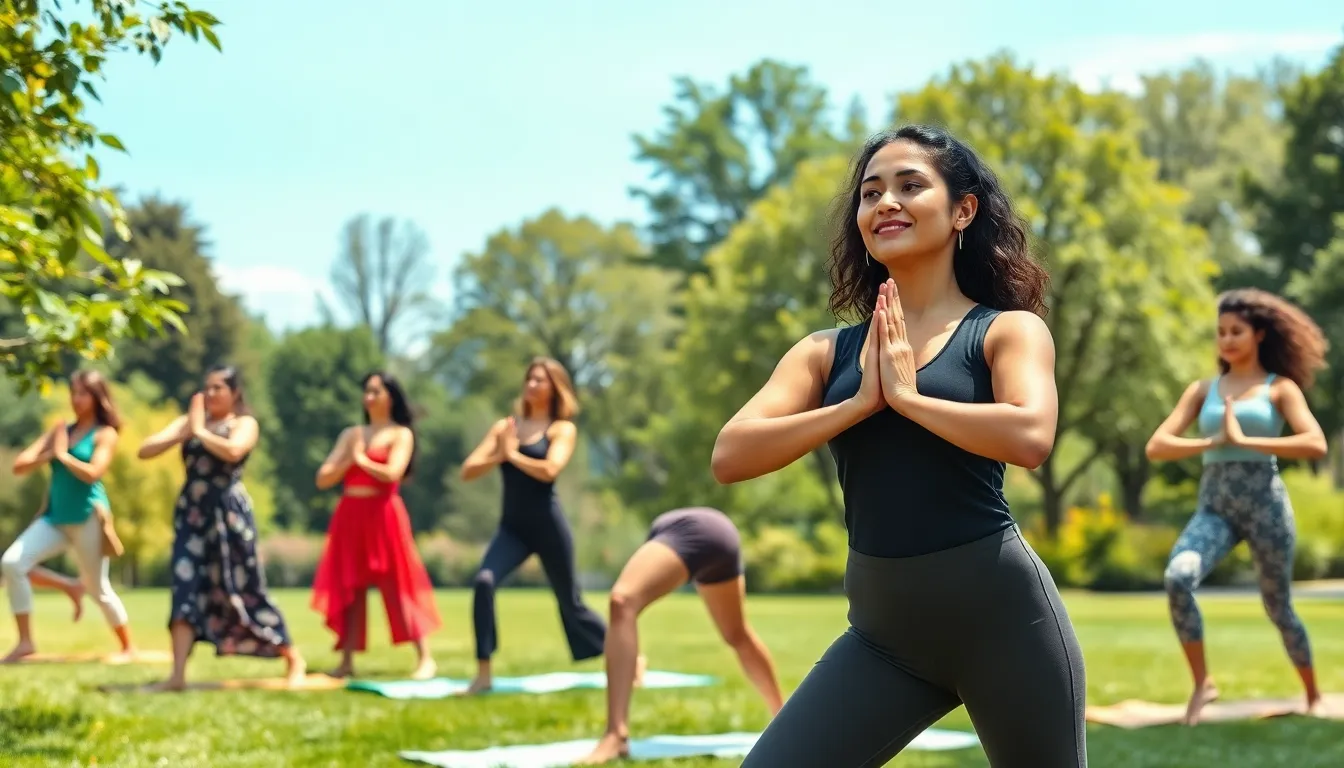
Mental health plays a crucial role in overall wellness for women. Addressing this aspect helps in understanding the broader implications of women’s health.
Stress and Anxiety
Stress and anxiety affect many women, particularly during major life changes. Approximately 20% of women face anxiety disorders at some point. Coping mechanisms might include exercise, mindfulness, and therapy. Incorporating regular physical activity, like walking or yoga, significantly reduces stress levels. Additionally, meditation and deep breathing techniques offer effective relief. Support from friends and family can also play a vital role in managing anxiety. Awareness of triggers empowers women to seek help when needed. Women experiencing persistent anxiety should consult healthcare professionals for personalized treatment options.
Body Image Issues
Body image issues often arise due to societal pressures and unrealistic standards. Around 70% of women report dissatisfaction with their bodies. Media portrayal of women significantly impacts self-esteem, leading to disordered eating and negative self-talk. Acceptance of diverse body types fosters a healthier mindset. Surrounding oneself with supportive individuals promotes self-love and confidence. Engaging in positive affirmations reinforces a more favorable body image. Seeking professional help can guide women struggling with body image concerns. Maintaining a focus on health rather than appearance encourages overall wellness.
Nutrition and Lifestyle
Nutrition and lifestyle play vital roles in women’s health, impacting physical and mental well-being.
Diet and Exercise
A balanced diet fuels the body and supports health goals. Leafy greens, whole grains, and lean proteins contribute essential nutrients. Additionally, regular exercise benefits cardiovascular health and enhances mood. Engaging in activities like brisk walking, swimming, or yoga promotes physical fitness. It’s recommended for women to aim for at least 150 minutes of moderate aerobic activity weekly. Strength training two or more times a week builds muscle and improves metabolism. Proper hydration helps in maintaining energy levels and cognitive function. Focus on portion control and mindful eating to foster healthy habits.
Supplements and Vitamins
Certain supplements and vitamins can enhance nutritional intake. Calcium and vitamin D support bone health, crucial for women, especially post-menopause. Omega-3 fatty acids promote heart health and may reduce inflammation. Iron supplements might be necessary for those with heavy menstrual cycles to prevent anemia. Consulting with a healthcare provider ensures the supplementation meets individual needs. Prenatal vitamins are essential during pregnancy for fetal development. Multivitamins can serve as a safety net for dietary gaps. Regular blood tests help identify deficiencies and tailor supplementation appropriately.
Preventive Care
Preventive care plays a vital role in maintaining women’s health. Regular check-ups and vaccinations can greatly reduce health risks and promote overall well-being.
Routine Check-Ups
Routine check-ups should occur annually. These visits enable healthcare providers to monitor health status, assess risk factors, and conduct screenings. PAP smears and mammograms become crucial for early detection of cervical and breast cancer, particularly for women over 21. Guidelines recommend starting PAP testing at age 21 and scheduling mammograms as early as age 40, depending on individual risk factors. Women experiencing specific symptoms or those with a family history of certain conditions may benefit from more frequent visits. Communication with healthcare providers ensures personalized care tailored to unique health needs.
Vaccinations
Vaccinations significantly contribute to preventive health. Women should receive the HPV vaccine to protect against human papillomavirus, preventing various cancers. The CDC recommends this vaccination for preteens, ideally between ages 11 and 12, but it’s also beneficial for those up to age 26. Other vaccinations, such as flu and Tdap, are vital for protecting against preventable diseases, especially during pregnancy. During pregnancy, the Tdap vaccine helps protect newborns from whooping cough. Staying up-to-date with vaccinations can prevent health issues and promote long-term wellness.